 Nicofire — Fire Safety Nepal
Nicofire — Fire Safety Nepal
Nicofire — Fire Safety Nepal
What you'll pay for ABC, CO₂ and foam extinguishers — and what actually drives the price.
| Type | Common Size | Approx. Price (NPR) |
|---|---|---|
| ABC Dry Powder | 4 kg / 6 kg | 3,500 – 8,500 |
| CO₂ | 2 kg / 5 kg | 5,000 – 14,000 |
| Foam (AFFF) | 6 L / 9 L | 6,000 – 12,000 |
| Wet Chemical | 6 L | 9,000 – 16,000 |
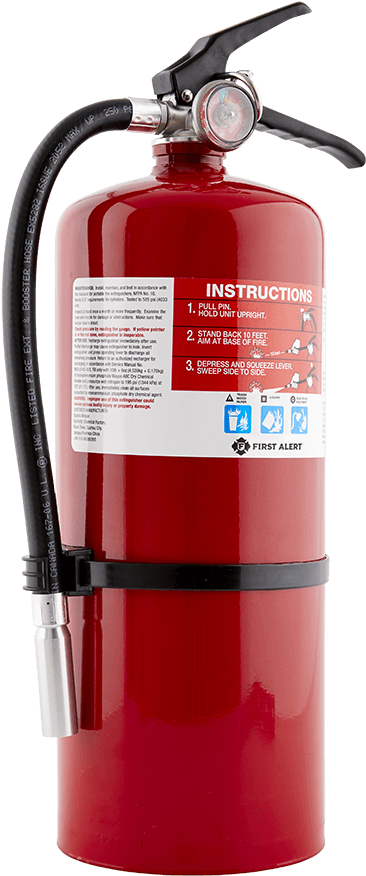
A 4–6 kg ABC dry powder unit covers most household fires — wood, electrical and flammable liquids.
No. Units without a manufacturing date or test certification may fail when you need them most.
With annual servicing, a quality cylinder lasts 10–12 years through multiple refill cycles.
Prices vary more by size than most buyers expect. A 1 kg ABC unit for your car can cost less than NPR 2,000, while a 9 kg unit for a factory floor can cross NPR 12,000. The jump isn't linear — larger cylinders need thicker steel, bigger valves and more agent, so the price climbs faster than the weight. For homes, the sweet spot is the 4–6 kg range: big enough to fight a real fire, small enough for anyone in the family to lift and operate. Offices and retail shops usually standardize on 6 kg ABC units mounted at visible points, which also simplifies servicing — one size means one refill rate and one spare-parts stock.
CO₂ pricing follows a different logic. Because CO₂ is stored as a liquid under high pressure, the cylinders are heavier and the valves more specialized, which is why even a 2 kg CO₂ unit starts around NPR 5,000. These are worth it wherever electronics matter — server rooms, UPS stations, laboratories and control panels — because unlike powder, CO₂ leaves zero residue. Foam and wet-chemical units sit in the middle of the range; restaurants and commercial kitchens in Kathmandu, Pokhara and Chitwan increasingly choose wet chemical for cooking-oil fires, since water and powder both fail dangerously on burning oil.
You have three realistic options. General hardware stores in Kathmandu Valley stock extinguishers, but staff rarely know fire classes, and after-sales support is usually zero. Online marketplaces list tempting prices, yet many listings hide the manufacturing date and certification status — the two things that matter most. The third option, a dedicated fire safety supplier, costs slightly more upfront but includes what the others don't: genuine certified stock, correct size guidance for your space, professional installation, staff training and a refill/maintenance plan.
For businesses, there's a fourth consideration: compliance. Offices, hotels, hospitals and factories are inspected for fire safety equipment, and inspectors check certification labels and service tags. An uncertified bargain unit can fail an inspection and leave you buying twice. Always ask the seller for the test certificate and confirm they offer annual maintenance before you pay.
Add these up before comparing quotes — the cheapest sticker price with no support usually becomes the most expensive choice within two years.
A common rule is one 6 kg ABC unit per 200 square meters, plus CO₂ near electrical rooms. A site survey gives the exact count — most suppliers offer it free.
The agent doesn't "expire" like food, but cylinders need hydrostatic testing every 5–10 years depending on type, and seals/gauges are replaced during annual servicing.
Mounting a small home unit is simple, but commercial installations should follow placement rules for escape routes and coverage — get a professional layout.